Hoarding in older adults: the five stages, explained
Hoarding disorder is a recognized mental health condition, not laziness or a moral failing. The "five stages" families search for are the Institute for Challenging Disorganization Clutter-Hoarding Scale, a severity guide from Level 1, light and safe, to Level 5, unsafe and uninhabitable. It affects about 2.6 percent of people and rises with age.
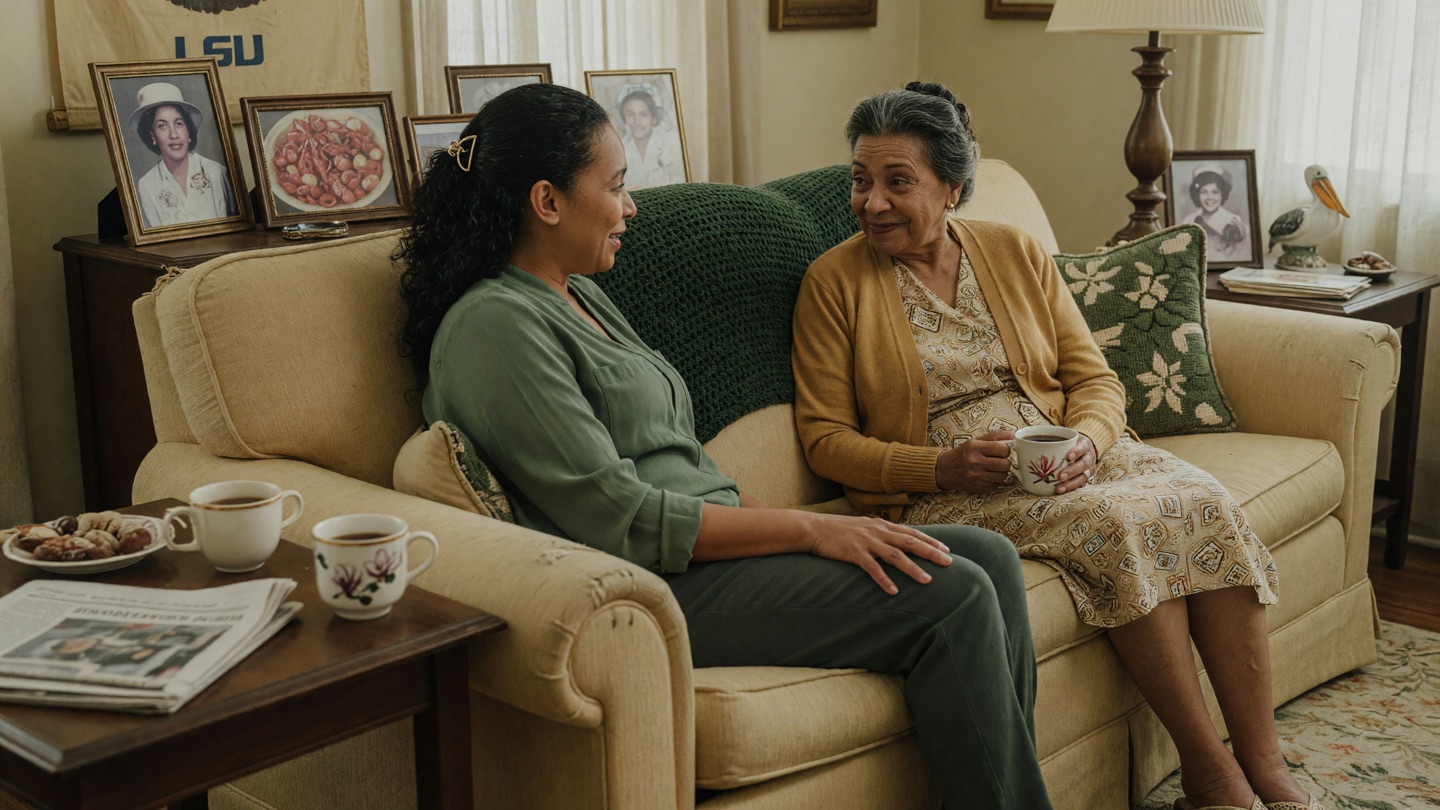
Hoarding disorder is a recognized mental health condition, not laziness or a moral failing. The "five stages" families search for are the Institute for Challenging Disorganization Clutter-Hoarding Scale, a severity guide from Level 1, light and safe, to Level 5, unsafe and uninhabitable. It affects about 2.6 percent of people and rises with age (American Psychiatric Association). Here is what the levels mean and how to help.
Important: This is general education, not medical or legal advice. If a parent's home is unsafe, or if you are worried about their health, talk with their doctor, and in an emergency call 911.
Walking into a parent's home and finding it packed floor to ceiling is frightening and disorienting, especially if you remember it neat. It is easy to feel angry, or to assume they have simply stopped caring. They have not. Hoarding is a treatable condition, and the most effective thing a family can do is trade the cleanout fight for a calmer, safety-first plan. This guide explains what hoarding disorder is, the five levels families search for, why it deepens with age, the real dangers for a senior, and how to help without a power struggle.
Is hoarding a mental illness, or just being messy?
Hoarding is a recognized mental health condition. In 2013 the American Psychiatric Association added hoarding disorder to the DSM-5, the standard manual for diagnosing mental illness, listing it among obsessive-compulsive and related disorders (American Psychiatric Association). It is defined by genuine difficulty parting with possessions and the distress and clutter that follow, not by messiness or a lack of willpower.
This matters because the way a family sees the problem shapes how they respond. A person with hoarding disorder is not choosing chaos. They often feel real anguish at the thought of discarding an item, and they may not see the clutter the way visitors do (International OCD Foundation). Understanding it as a condition, one that responds to the right kind of help, is the first step away from blame and toward a plan that actually works.
What are the five stages of hoarding?
The "five stages" families find online are really the five levels of the Clutter-Hoarding Scale, a tool the Institute for Challenging Disorganization created to help professionals rate how serious a home's clutter and safety problems are. Level 1 is a safe, lightly cluttered home; Level 5 is a home that is no longer safe to live in (Institute for Challenging Disorganization).
One honest caveat before the table: these are a home-safety severity scale, not clinical stages of an illness. Hoarding disorder does not move through five medical phases the way some diseases do. The levels describe the condition of the home, which is useful for spotting danger and deciding how much help is needed, but a person can have serious hoarding disorder even when the home looks moderate.
| Level | Clutter and access | Sanitation and pests | Safety |
|---|---|---|---|
| Level 1 (Low) | Home functions normally; doors, windows, and stairs all usable; light clutter | No pest problems, no unusual odors | Working smoke detectors; clear exits |
| Level 2 (Guarded) | One or two rooms crowded; pathways narrow but passable; an exit may be partly blocked | Minor odors from food or pets; light pest activity | Some exits harder to reach |
| Level 3 (Elevated) | Clutter now visible outside the home; at least one room or exit unusable; tight indoor pathways | Stronger odors; a utility may be hard to reach | Blocked exits begin to pose a real risk |
| Level 4 (High) | Only part of the home is usable | Rotting food, plumbing or sewage problems, mold, heavier pest infestation | Structural or system damage; sanitation hazards |
| Level 5 (Severe) | Home is not safe to live in; exits blocked | No working bathroom or utilities; standing waste | Serious fire load; often found through an emergency call |
Adapted from the Institute for Challenging Disorganization Clutter-Hoarding Scale. If a parent's home is at Level 3 or higher, the safety risks below are worth acting on soon, even while the deeper work of treatment takes time.
Why does hoarding get worse with age?
Hoarding is usually a lifelong pattern that tightens its grip in later years. Researchers find the rate climbs steadily with age: one population study reported it rose by about 20 percent with every five years of age (Cath et al., 2017). By the older years it is one of the more common mental health conditions, and it is frequently the point at which families finally notice how far it has gone.
Several things stack up in later life. Grief and loss, the death of a spouse, retirement, and shrinking social contact can all intensify the urge to hold on to things. Physical limits make it harder to clean, lift, or haul away what has piled up. And changes in memory or thinking can blunt a person's ability to organize, decide, and let go. When these arrive together, a habit that was managed for decades can tip into a genuine safety problem in a year or two.
What are the real dangers for an older adult who hoards?
For a senior, clutter is not just unsightly, it is a set of concrete hazards. Falls are the first and most common: piles, cords, and narrow paths turn an ordinary home into an obstacle course for someone whose balance is already less steady (Mayo Clinic). A fall that a younger person shrugs off can mean a broken hip and a hospital stay for an older adult.
The other dangers are just as serious:
- Fire. Stacks of paper, fabric, and belongings are fuel, and clutter near stoves, space heaters, and outlets is a common ignition point.
- Blocked exits. When doorways and hallways are packed, no one can get out fast in a fire or flood, and firefighters and paramedics cannot get in.
- Pests and sanitation. Spoiled food, blocked plumbing, and mold invite insects and rodents and can make a home unhealthy to breathe in.
- Medication mismanagement. In a cluttered home, pills get lost, expire, or get taken twice, which is dangerous for someone on a serious medicine like a blood thinner.
- Eviction and utility shut-off. In rental housing, severe clutter can trigger lease violations, and blocked access can lead to unrepaired plumbing, heat, or electrical problems.
You do not have to fix all of this at once. Clearing the paths to the exits and the bathroom, keeping the stove and heaters clear, and making sure smoke detectors work will remove the most life-threatening risks first.
How can I help a parent who hoards without forcing a purge?
Lead with the relationship, not the cleanout. The single most common mistake families make is a surprise purge, throwing things out while a parent is away or overriding their objections. It almost always backfires: it causes real distress, breaks trust, and the clutter usually returns. Compassion and patience are not soft options here, they are what actually works.
A calmer approach:
- Start from what they value. Tie changes to their own goals, staying in their home, keeping a pet safe, not falling, rather than to your discomfort with the mess.
- Use harm reduction, not perfection. Agree on safety-first targets: clear exits, a clear path to the bathroom, a clear stove, working smoke alarms. You are reducing danger, not emptying the house.
- Let them keep control. Sort with them, not for them. Let them make the decisions, even slow ones. Small wins, one shelf or one walkway, build confidence and trust.
- Avoid the power struggle. Skip ultimatums and shaming. Firm, warm, and consistent beats forceful every time.
- Bring in a professional. Cognitive behavioral therapy adapted for hoarding is the best-supported treatment, and for older adults it often pairs it with hands-on sorting and decision practice (Ayers et al., CREST trial). Ask the parent's doctor for a referral to a therapist who treats hoarding.
When should we get a doctor or memory evaluation involved?
Involve a doctor whenever the hoarding is new, worsening fast, or paired with other changes. Long-standing hoarding is its own condition, but hoarding or squalor that appears suddenly in a parent who once kept an orderly home is a red flag that deserves a medical and cognitive evaluation to check for dementia, depression, or another brain condition.
Also loop in a doctor if you see missed medications, weight loss, spoiled food being eaten, confusion, or self-neglect. A geriatric provider can sort out how much is hoarding disorder, how much may be memory change, and what treatment fits. If you are also noticing memory or judgment changes, our guides on early signs of dementia and knowing when it is time for more care can help you think it through.
In Louisiana: where to turn
Louisiana families have local help, and you do not have to wait for a crisis. If you believe an older adult's safety is at risk from self-neglect or an unsafe home, you can contact Elderly Protective Services, which serves adults 60 and older, at 1-833-577-6532, or after hours at 1-844-945-2377 (Louisiana Governor's Office of Elderly Affairs). Their role is to assess safety and connect the person with support, not to punish. For adults 18 to 59, Adult Protective Services under the Louisiana Department of Health handles the same kind of report (Louisiana Department of Health, Office of Aging and Adult Services).
Louisiana adds one risk many states do not: hurricanes and flooding. A cluttered home with blocked exits is far more dangerous when an evacuation order comes and minutes matter. In parishes like Orleans, Jefferson, and Terrebonne, where storm season shapes every summer, clearing exit paths is not just tidy, it is a life-safety step. Our hurricane and emergency preparedness guide walks through building an evacuation plan around an older parent. Your parish Council on Aging and the Area Agency on Aging can also point you to local cleanup, mental health, and in-home support resources.
This is general education, not medical, legal, or mental health advice. Hoarding disorder is a real condition that responds to professional treatment; a licensed clinician should evaluate and guide care for your parent's specific situation. In an emergency, call 911.
How an advisor can help
Hoarding is rarely the only thing a family is facing. Under the clutter is usually a bigger question: is my parent still safe at home, and what would more support look like? A Louisiana advisor can talk that through with you, calmly and without judgment, and help you weigh options from more help at home to a community with staff nearby.
The practice works for your family, not for any facility. You are matched with one advisor who stays with you from the first call, your family is never sold or passed around, and a move is only ever one possible outcome. Families pay nothing for the advisor's help. If it would help to see the choices laid out in plain language, the MyCare Recommendation your advisor prepares can do that, at your pace and with no pressure.
Common questions from families
What are the 5 stages of hoarding? The five levels people search for come from the Institute for Challenging Disorganization Clutter-Hoarding Scale. Level 1 is light, safe clutter; Level 2 has one or two crowded rooms; Level 3 shows blocked exits and stronger odors; Level 4 brings structural and sanitation damage; Level 5 is an unsafe, uninhabitable home. It is a home-safety severity scale, not a clinical diagnosis.
Is hoarding a mental illness or just being messy? It is a recognized mental health condition. The American Psychiatric Association lists hoarding disorder in the DSM-5 among obsessive-compulsive and related disorders. It is defined by real distress and difficulty parting with possessions, not by laziness or a character flaw, and it affects about 2.6 percent of people.
Why does hoarding get worse as a parent gets older? Hoarding tends to build over a lifetime and intensifies with age, isolation, grief, and changes in thinking. One population study found the rate rose by about 20 percent with every five years of age (Cath et al., 2017). Losing a spouse, retiring, or slowing down physically can all deepen the pattern.
Can hoarding be a sign of dementia? It can be, though the two are not the same. Long-standing hoarding disorder is its own condition, but new hoarding or squalor that appears suddenly in a parent who once kept an orderly home deserves a medical and cognitive evaluation to check for dementia or another brain condition. Ask the parent's doctor for a referral.
How do I help a hoarding parent without forcing them to throw things away? Lead with compassion, not a cleanout. Forced purges usually cause distress and rarely last. Focus first on harm reduction: clear paths to every exit and the bathroom, keep the stove and heaters clear, and check smoke detectors. Then connect them with a therapist who treats hoarding, and let them keep control of decisions.
What are the biggest dangers of hoarding for an older person? The top risks are falls over clutter, fire from combustible piles and blocked exits, pest and sanitation problems, spoiled food and lost or expired medications, and, in rental housing, eviction. For a frail older adult these hazards are more likely to cause a serious injury than they would for a younger person.
Will my parent be evicted or reported for hoarding? It is possible in severe cases, but reporting is meant to protect, not punish. In Louisiana, concerns about an older adult's safety can be reported to Elderly Protective Services at 1-833-577-6532. Their role is to assess safety and connect the person with help. Landlords must still follow legal eviction steps and often accept a cleanup plan.
What kind of treatment works for hoarding in older adults? Cognitive behavioral therapy adapted for hoarding is the best-supported treatment, and for older adults it often pairs skills practice with sorting and decision-making support (Ayers et al., CREST trial). A geriatric mental health provider can tailor the approach. Medication for a related condition like depression or anxiety sometimes helps too.
Common questions
What are the 5 stages of hoarding?
The five levels people search for come from the Institute for Challenging Disorganization Clutter-Hoarding Scale. Level 1 is light, safe clutter; Level 2 has one or two crowded rooms; Level 3 shows blocked exits and stronger odors; Level 4 brings structural and sanitation damage; Level 5 is an unsafe, uninhabitable home. It is a home-safety severity scale, not a clinical diagnosis.
Is hoarding a mental illness or just being messy?
It is a recognized mental health condition. The American Psychiatric Association lists hoarding disorder in the DSM-5 among obsessive-compulsive and related disorders. It is defined by real distress and difficulty parting with possessions, not by laziness or a character flaw, and it affects about 2.6 percent of people.
Why does hoarding get worse as a parent gets older?
Hoarding tends to build over a lifetime and intensifies with age, isolation, grief, and changes in thinking. One population study found the rate rose by about 20 percent with every five years of age (Cath et al., 2017). Losing a spouse, retiring, or slowing down physically can all deepen the pattern.
Can hoarding be a sign of dementia?
It can be, though the two are not the same. Long-standing hoarding disorder is its own condition, but new hoarding or squalor that appears suddenly in a parent who once kept an orderly home deserves a medical and cognitive evaluation to check for dementia or another brain condition. Ask the parent's doctor for a referral.
How do I help a hoarding parent without forcing them to throw things away?
Lead with compassion, not a cleanout. Forced purges usually cause distress and rarely last. Focus first on harm reduction: clear paths to every exit and the bathroom, keep the stove and heaters clear, and check smoke detectors. Then connect them with a therapist who treats hoarding, and let them keep control of decisions.
What are the biggest dangers of hoarding for an older person?
The top risks are falls over clutter, fire from combustible piles and blocked exits, pest and sanitation problems, spoiled food and lost or expired medications, and, in rental housing, eviction. For a frail older adult these hazards are more likely to cause a serious injury than they would for a younger person.
Will my parent be evicted or reported for hoarding?
It is possible in severe cases, but reporting is meant to protect, not punish. In Louisiana, concerns about an older adult's safety can be reported to Elderly Protective Services at 1-833-577-6532. Their role is to assess safety and connect the person with help. Landlords must still follow legal eviction steps and often accept a cleanup plan.
What kind of treatment works for hoarding in older adults?
Cognitive behavioral therapy adapted for hoarding is the best-supported treatment, and for older adults it often pairs skills practice with sorting and decision-making support (Ayers et al., CREST trial). A geriatric mental health provider can tailor the approach. Medication for a related condition like depression or anxiety sometimes helps too.
Where this comes from
- American Psychiatric Association · Hoarding Disorder (patient and family guide)
- International OCD Foundation · About Hoarding Disorder
- Institute for Challenging Disorganization · ICD Clutter-Hoarding Scale
- Mayo Clinic · Hoarding disorder: symptoms and causes
- Cath et al. (2017), Am J Geriatr Psychiatry · Age-Specific Prevalence of Hoarding and Obsessive Compulsive Disorder (PubMed)
- Ayers et al. · CREST for Hoarding Disorder in Older Adults: A Randomized Clinical Trial (PMC/NIH)
- Louisiana Department of Health, Office of Aging and Adult Services · Adult Protective Services
- Louisiana Governor's Office of Elderly Affairs · Elderly Protective Services